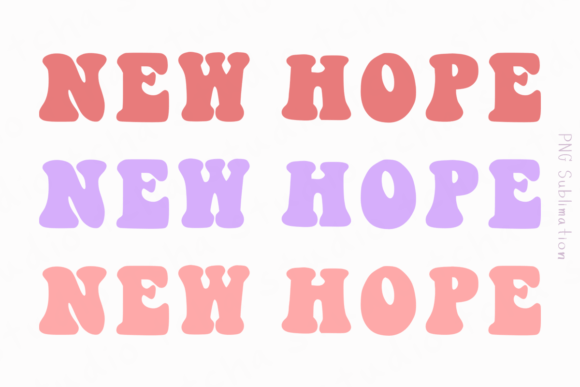
New Hope 7 Easter Png Sublimation: A Practical Guide to Instant, High-Quality Designs
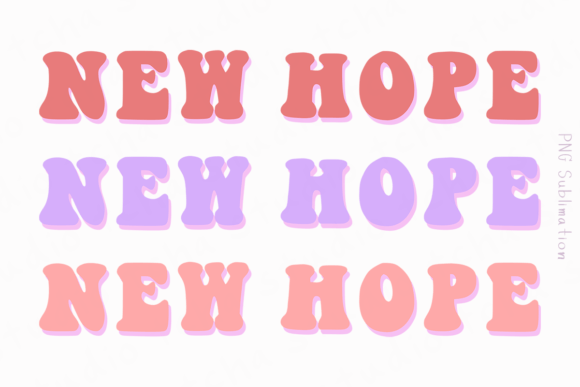
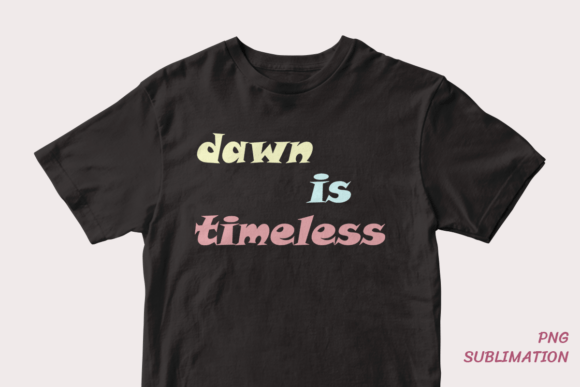
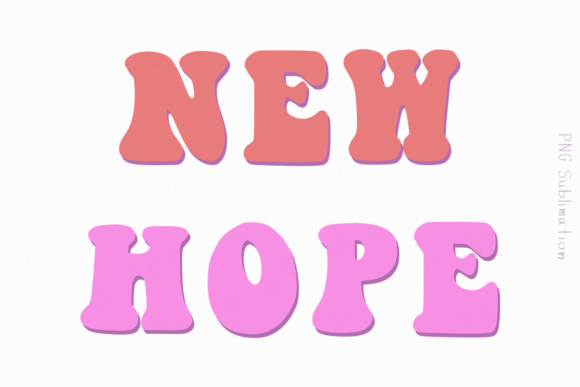
If you are looking for a design that is ready to print without the headache of editing or resizing, New Hope 7 Easter Png Sublimation offers a straightforward solution for creators and business owners alike. This specific asset is not just another image file; it is a fully prepared graphic intended for immediate use across a wide variety of products. Whether you are running a small home-based Etsy shop, managing a corporate holiday gift list, or simply crafting personalized gifts for family, having a high-resolution file that requires zero preparation can save hours of work.
The core value of this design lies in its simplicity. You download the files, unzip them, and you are ready to go. There is no need to hunt for vector software, trace outlines, or worry about transparency issues often found in free clipart. The package includes one PNG file at 3000x3000px resolution, which ensures that your final product looks crisp whether it is printed on a tiny sticker or a large blanket. However, while the file itself is high quality, the success of your project depends entirely on how you handle the printing process and what you expect from a sublimation transfer.
Understanding the Limits of "Ready-to-Print" Files
One of the most common misunderstandings among beginners is assuming that a digital file guarantees a perfect physical result. While New Hope 7 Easter Png Sublimation provides the visual component, the end result relies heavily on your equipment and materials. Many users purchase high-quality designs only to be disappointed by faded colors or pixelated edges. This is rarely the fault of the designer but rather a mismatch between the file's capabilities and the user's printing setup.
To avoid poor results, you must first understand the nature of sublimation. This process involves transferring dye into a polymer substrate using heat and pressure. If you attempt to apply this PNG file directly onto cotton fabric using standard inkjet paper, the image will not bond correctly. It will wash off immediately or appear ghosted. The design is specifically optimized for sublimation blanks—materials with a high polyester content or those coated with a polymer layer. Before you start your next project, verify that your target items (T-shirts, mugs, phone cases) are compatible with sublimation ink. Using the wrong blank is the single biggest mistake that leads to wasted money and frustrated customers.
Selecting the Right Application Method
Another area where professionals often stumble is in the selection of the printing medium. Just because the file is a PNG does not mean it should be printed on any paper. For sublimation, you require specific sublimation paper designed to release ink efficiently at high temperatures. Standard laser printer paper or regular office copy paper will absorb the ink too quickly or fail to release it completely during the press cycle. This results in dull colors and a lack of vibrancy that undermines the effort put into creating a beautiful design.
Furthermore, consider the color profile of your monitor versus your printer. Digital screens emit light, while printed materials reflect it. An image that looks vibrant on your screen might appear washed out on a white mug if you do not adjust the contrast and saturation settings in your RIP software or printer driver. Always perform a test print on plain paper before committing to expensive blanks. This simple step allows you to check the alignment and color balance without risking your inventory.
Maximizing Versatility Without Compromising Quality
The beauty of the New Hope 7 Easter Png Sublimation file is its versatility. With dimensions of 3000x3000 pixels, you have ample room to crop, scale, and adapt the design for various applications. However, scaling down an image is generally safe, whereas scaling up can introduce blurriness. If you plan to use this design for a large item like a throw blanket or a wall tapestry, ensure that the original 3000x3000 resolution is sufficient for the size you intend to print. While 3000 pixels is quite generous, stretching it beyond its native ratio can soften the details.
For smaller items like business cards, stickers, or phone cases, you have more flexibility. You can center the design or arrange multiple instances around the product. When doing so, remember that the background of a PNG file is transparent. This is crucial for maintaining a professional look. If you accidentally export the file with a white background, your sticker will look like a square piece of paper pasted onto a colorful shirt, rather than a seamless part of the garment. Double-check your file properties to ensure the alpha channel (transparency) is intact before sending it to the printer.
- Check File Integrity: Ensure the unzipped file opens correctly in your image editor without corruption.
- Verify Resolution: Confirm the DPI setting matches your printer requirements (usually 300 DPI for high-quality prints).
- Test Color Accuracy: Run a small test patch to see how the Easter theme colors translate to your specific blank material.
Avoiding Common Pitfalls in Production
Even experienced entrepreneurs can make costly errors when rushing through production. One frequent oversight is neglecting the "mirror" function. When preparing a design for sublimation, the image must be horizontally flipped before printing. If you forget this step, the text and graphics will appear backwards on the final product. While some modern printers and RIP software have a "mirror" option, relying on it blindly can lead to errors if the software settings change or if you switch devices. It is best practice to manually mirror the image in your editing software as a final verification step.
Additionally, pay attention to the heat press settings. Different materials require different temperatures, times, and pressures. A design that looks perfect on a ceramic mug might burn or fade on a polyester T-shirt if the temperature is too high. Conversely, insufficient heat will result in poor adhesion. Consult the manufacturer's guidelines for your specific blanks and adjust accordingly. Treating every item as if it requires the exact same settings is a recipe for inconsistency in your product line.
Evaluating Your Choice Before You Print
Before you begin mass-producing items with New Hope 7 Easter Png Sublimation, take a moment to evaluate your workflow. Are you using a dedicated sublimation printer? Is your ink fresh and properly mixed? These factors significantly impact the final output. A high-resolution file cannot compensate for low-quality ink or a clogged printhead. Regular maintenance of your printing equipment is essential to maintain the sharpness and color fidelity that the 3000x3000 pixel file promises.
For those new to the industry, it is also wise to review the licensing terms associated with the file. While many designs allow for commercial use, some may restrict the number of units you can sell or prohibit certain types of merchandise. Ensuring you have the right permissions protects your business from legal issues later on. Always read the fine print provided with the download to understand exactly what you are allowed to do with the design.
By approaching this design with a clear understanding of the technical requirements and avoiding common traps, you can produce professional-grade Easter merchandise that stands out. The goal is not just to print an image, but to create a tangible product that brings joy and meets customer expectations. With the right preparation, the New Hope 7 Easter Png Sublimation file becomes a powerful tool in your creative arsenal, ready to elevate your projects from simple crafts to market-ready products.